
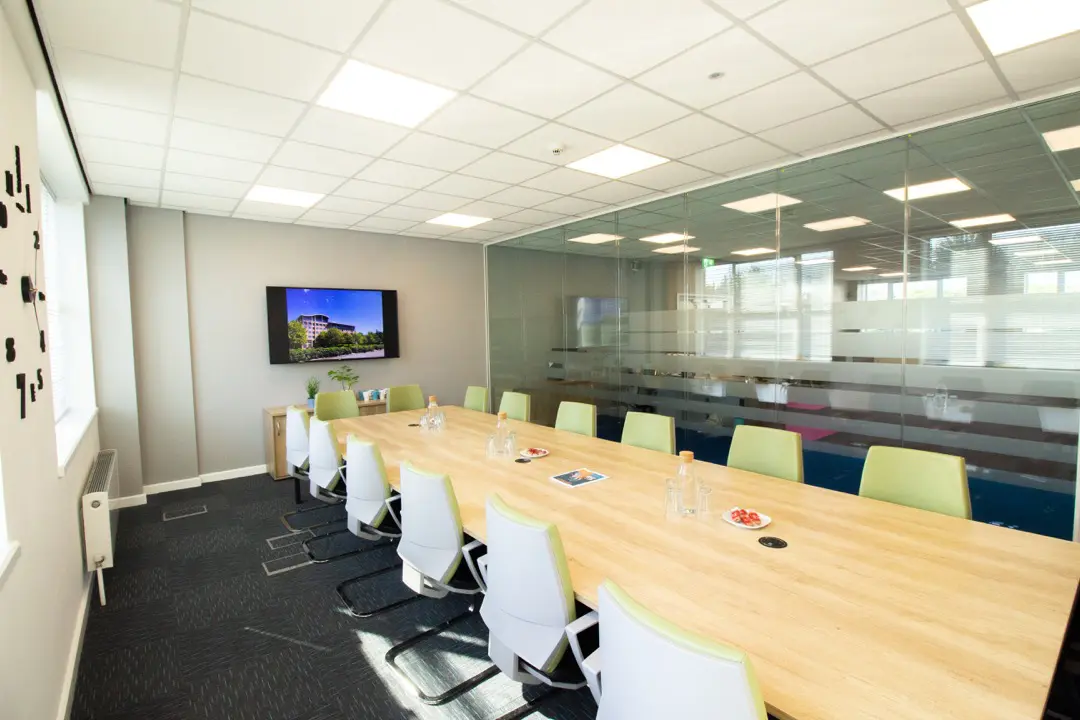
Shared offices have emerged as a beacon of innovation, offering flexible solutions for modern businesses.
Table of Contents
Understanding Shared Offices
Shared offices, also known as coworking spaces, are collaborative work environments where individuals from diverse backgrounds work alongside each other. These spaces provide an alternative to traditional office setups, fostering creativity, networking, and cost-efficiency.
Definition and Concept
Shared offices encompass a range of workspaces, from open-plan layouts to private offices, designed to accommodate various work styles and preferences. The concept revolves around shared infrastructure, resources, and amenities, promoting a sense of community and collaboration among occupants.
Benefits of Shared Offices
Shared offices offer numerous benefits, including cost savings, flexibility, and access to a vibrant community of professionals. By sharing resources such as meeting rooms, high-speed internet, and administrative support, businesses can minimise overhead costs and scale operations efficiently.
Drawbacks and Solutions
While shared offices offer unparalleled flexibility, they may also pose challenges such as noise distractions and privacy concerns. However, with thoughtful design considerations and clear communication protocols, these drawbacks can be mitigated to create a conducive work environment for all occupants.
Designing an Effective Shared Office
The key to making shared offices work lies in thoughtful design and layout considerations that prioritise functionality, comfort, and collaboration.
Layout and Space Management
An effective shared office layout optimises space utilisation while catering to diverse work preferences. Incorporating designated zones for focused work, collaboration, and relaxation ensures that occupants can choose environments that suit their tasks and moods.
Amenities and Facilities
From high-speed internet and ergonomic furniture to wellness rooms and recreational areas, amenities play a crucial role in enhancing the overall experience of shared office occupants. Providing a diverse range of facilities fosters productivity, creativity, and employee satisfaction.
Technology Integration
Integrating cutting-edge technology such as smart access control systems, digital collaboration tools, and IoT-enabled devices enhances connectivity and efficiency within shared offices. Leveraging tech solutions streamlines workflows and facilitates seamless communication among occupants.
Cultivating Collaboration
Collaboration lies at the heart of shared offices, driving innovation and synergy among diverse professionals.
Building a Collaborative Culture
Encouraging open communication, knowledge sharing, and cross-functional collaboration cultivates a vibrant community within shared offices. Hosting regular networking events, workshops, and skill-sharing sessions fosters meaningful connections and sparks creativity.
Team Bonding Activities
Organising team-building activities and social events strengthens bonds among coworkers, fostering a sense of belonging and camaraderie. Whether it’s a weekly happy hour or a collaborative project, shared offices provide ample opportunities for teams to connect and collaborate beyond their work duties.
Encouraging Cross-Team Interaction
Breaking down silos and encouraging interaction between individuals and teams from different backgrounds fosters diversity of thought and stimulates innovation. Shared office environments facilitate spontaneous interactions and serendipitous encounters, leading to cross-pollination of ideas and perspectives.
Addressing Privacy Concerns
While collaboration is paramount in shared offices, it’s essential to balance it with the need for privacy and focused work environments.
Personal Workspaces vs. Shared Spaces
Offering a mix of private offices, dedicated desks, and communal areas allows occupants to choose environments that align with their privacy preferences and work requirements. Providing flexible membership options enables individuals to tailor their workspace arrangements according to their changing needs.
Privacy Solutions
Implementing soundproofing measures, privacy screens, and designated quiet zones within shared offices creates a conducive environment for focused work and confidential discussions. Respecting boundaries and promoting etiquette guidelines reinforces a culture of respect and consideration among occupants.
Flexible Arrangements
Offering flexible work arrangements, such as hot-desking and flexible membership plans, empowers individuals to adapt their work schedules and environments to suit their productivity rhythms. Embracing a culture of autonomy and trust fosters accountability and empowers occupants to manage their work-life balance effectively.
Ensuring Productivity
Maintaining productivity in shared offices requires effective time management strategies and a conducive work environment.
Time Management Strategies
Encouraging structured work routines, setting realistic goals, and leveraging productivity tools such as time-tracking apps and task management software help occupants stay focused and accountable. Establishing designated focus hours and minimising distractions fosters a culture of productivity and accomplishment.
Minimising Distractions
Creating designated quiet zones, enforcing noise etiquette guidelines, and providing noise-canceling headphones empower occupants to minimise distractions and optimise their concentration levels. Implementing digital detox policies and promoting mindfulness practices further enhance focus and productivity in shared offices.
Setting Clear Goals and Expectations
Communicating clear objectives, performance expectations, and KPIs fosters accountability and alignment among shared office occupants. Regular check-ins, performance reviews, and goal-setting sessions enable individuals and teams to track progress, celebrate achievements, and identify areas for improvement.
Promoting Wellness
Prioritising employee wellness is paramount in shared offices, where individuals spend a significant portion of their time.
Ergonomic Furniture and Design
Investing in ergonomic furniture, adjustable workstations, and ergonomic accessories promotes good posture, reduces the risk of musculoskeletal injuries, and enhances overall comfort and well-being. Incorporating biophilic design elements and natural lighting creates a soothing and revitalising work environment.
Wellness Programs and Initiatives
Offering wellness programs, such as yoga classes, meditation sessions, and stress management workshops, promotes physical and mental well-being among shared office occupants. Providing access to onsite amenities such as fitness centres, healthy snacks, and relaxation areas further supports a holistic approach to wellness
Managing Security and Confidentiality
Protecting sensitive information and ensuring data security are paramount considerations in shared office environments.
Data Security Measures
Implementing robust cybersecurity protocols, encryption technologies, and secure network infrastructure safeguards sensitive data and mitigates the risk of cyber threats. Conducting regular security audits, employee training sessions, and compliance assessments ensures ongoing vigilance and adherence to best practices.
Confidentiality Protocols
Establishing clear confidentiality agreements, non-disclosure policies, and access control measures prevents unauthorised access to sensitive information and maintains client trust and confidentiality. Educating occupants about the importance of safeguarding confidential data and reporting security incidents promptly enhances overall security posture.
Access Control
Deploying access control systems, biometric authentication mechanisms, and CCTV surveillance enhances physical security and deters unauthorised access to shared office spaces. Implementing visitor management protocols and identity verification procedures further strengthens access control measures and ensures the safety of occupants and assets.
Flexibility and Adaptability
The ability to adapt to evolving business needs and market dynamics is essential for the long-term success of shared offices.
Agile Work Policies
Embracing agile work methodologies, flexible scheduling options, and remote work arrangements empowers occupants to work efficiently from anywhere while maintaining connectivity and collaboration. Implementing cloud-based tools and digital platforms facilitates seamless remote work integration and enhances operational resilience.
Remote Work Integration
Incorporating remote work-friendly features such as video conferencing facilities, virtual collaboration tools, and cloud storage solutions enables seamless communication and collaboration among distributed teams. Providing support for remote work setups and remote access to shared office resources ensures continuity and flexibility for occupants.
Scalability and Growth
Designing shared office spaces with scalability in mind allows businesses to accommodate growth and expansion seamlessly. Offering modular furniture, scalable IT infrastructure, and flexible leasing options enables occupants to scale their operations up or down according to changing business requirements.
Sustainability in Shared Workspaces
Promoting environmental sustainability is integral to the ethos of shared offices, aligning with global efforts to reduce carbon footprint and conserve resources.
Eco-friendly Initiatives
Implementing energy-efficient lighting, HVAC systems, and water-saving fixtures reduces energy consumption and minimises environmental impact. Adopting sustainable procurement practices, such as using recycled materials and biodegradable products, further supports eco-friendly operations in shared offices.
Waste Reduction Strategies
Encouraging recycling, composting, and waste segregation practices minimises landfill waste and promotes a circular economy mindset among shared office occupants. Educating occupants about sustainable practices and providing recycling bins and composting facilities facilitates waste diversion and promotes environmental stewardship.
Energy Efficiency
Investing in renewable energy sources such as solar panels and wind turbines reduces reliance on fossil fuels and lowers greenhouse gas emissions in shared office buildings. Implementing energy monitoring systems and smart building technologies optimises energy usage and enhances operational efficiency while reducing environmental impact.
Cost-Effectiveness
Shared offices offer a cost-effective alternative to traditional office leases, providing businesses with financial savings and operational flexibility.
Shared Resources Utilisation
Pooling resources such as office space, equipment, and administrative services enables businesses to access premium amenities at a fraction of the cost of traditional leases. Sharing common areas and facilities fosters collaboration and synergy among occupants while maximising resource efficiency.
Budget-Friendly Solutions
Opting for flexible membership plans, coworking passes, and pay-as-you-go arrangements allows businesses to align their expenses with their actual usage and scale their operations according to budget constraints. Avoiding long-term commitments and upfront capital expenditures enhances financial agility and risk management for occupants.
Return on Investment
Measuring the ROI of shared office arrangements involves assessing tangible benefits such as cost savings, productivity gains, and networking opportunities, as well as intangible factors such as employee satisfaction and brand perception. Conducting regular performance evaluations and gathering feedback from occupants enables businesses to optimise their shared office investments and maximise returns.
Choosing the Right Provider
Selecting a reputable shared office provider is critical for ensuring a positive experience and maximising the benefits of shared workspaces.
Researching Providers
Conducting thorough due diligence, reading reviews, and visiting potential shared office spaces enables businesses to assess the quality of facilities, services, and amenities offered by different providers. Evaluating factors such as location, accessibility, and community vibe helps narrow down the options and find the best fit for specific needs.
Evaluating Services and Amenities
Comparing membership plans, pricing structures, and included amenities allows businesses to make informed decisions based on their budget and requirements. Prioritising essential features such as high-speed internet, meeting rooms, and 24/7 access ensures that shared office arrangements meet operational needs and support business growth.
Reviews and Testimonials
Seeking recommendations from peers, colleagues, and industry experts provides valuable insights into the reputation and reliability of shared office providers. Reading online reviews, testimonials, and case studies helps validate the credibility and track record of potential providers and informs decision-making processes.
Future Trends in Shared Offices
As the workplace landscape continues to evolve, shared offices are poised to embrace emerging trends and technologies that shape the future of work.
Remote Work Evolution
The rise of remote work and hybrid work models is driving demand for flexible workspaces that cater to distributed teams and digital nomads. Shared offices play a pivotal role in facilitating remote collaboration and providing infrastructure and support for remote workers.
Technological Advancements
Innovations such as augmented reality (AR), virtual reality (VR), and artificial intelligence (AI) are transforming the way shared offices operate and deliver services. From virtual meeting rooms to smart building management systems, technology integration enhances efficiency, connectivity, and user experience in shared workspaces.
Flexibility in Workplace Dynamics
Flexible lease terms, modular furniture, and adaptable layouts enable shared offices to accommodate changing needs and preferences of occupants. Embracing agile work policies and customisable solutions empowers businesses to respond quickly to market fluctuations and operational requirements.
Conclusion
In conclusion, shared offices represent the future of work, offering a flexible, cost-effective, and collaborative alternative to traditional office setups. By understanding the unique dynamics of shared workspaces and implementing effective strategies for design, collaboration, productivity, and wellness, businesses can unlock the full potential of shared offices and thrive in the ever-evolving workplace landscape.


